


Kyoto is the cultural heartland of Japan. I’ve found that you can spend days wandering around its endless streets and not get bored. There are temples, gardens and hidden shops and restaurants on every turn. However, if you just feel like you need to escape the bustle (Kyoto is very touristy!) then perhaps you need to take a few day trips from Kyoto.
Fortunately, Kyoto is in a prime location for exploring. Within a few hours, you’ll be seeing some of the best destinations Japan has to offer. Here is everything you need to know. Enjoy!
Day Trips from Kyoto
Nara: Ancient Temples and Friendly Deer
Travel time: 45-60 minutes by train (take the Rapid train on the JR Nara line to Nara Station)
Top of my list is Nara, established as Japan’s first permanent capital way back in 710. The city’s rich history along with its picturesque setting makes it the perfect place for visitors looking for a mix of history, culture and nature.
You can easily spend a day here visiting highlights such as Todai-ji Temple, home to the world’s largest bronze Buddha statue, the serene Kasuga Taisha Shrine with its moss-covered lantern-lined paths, and of course the vast Nara Park. It is here that you will find, and can feed, the instagram-famous free-roaming sika deer.
Nara is much more than what you typically find on social media though – Naramachi, the city’s historic old town, is full of quiet streets to wander and you can find plenty of traditional shops and cafes.
Top Tip: Arrive early to avoid crowds and enjoy peaceful morning walks in Nara Park.


Osaka: Food, Neon, and Modern Energy
Travel time: 30-45 minutes by train (take the JR Kyoto Line to Osaka Station)
If you’re looking for something completely different to Kyoto, a day trip to Osaka is the perfect option. Osaka is best described as a city of neon lights, foodie hotspots and modern energy. The Dotonburi area is where to go for the iconic neon lights and some of Japan’s best street food such as takoyaki and okonomiyaki.
Must visits also include Osaka Castle and the surrounding gardens, and of course the Umeda Sky Building for some spectacular panoramic views our across the city.
If you’re looking for something a little more serene, then Osaka has this too. There are some beautiful temples and shrines just a short train ride out of the city centre.
Top Tip: Plan to arrive in the morning to see landmarks before the crowds and enjoy lunch at the markets.


Hakone: Hot Springs, Lake Ashi, and Mount Fuji Views
Travel time: 1.5-2 hours by (bullet) train
If you don’t mind an early morning, or travelling a little further afield, a day trip to Hakone, offers something a little more relaxing. Whilst you won’t be able to see all that Hakone has to offer you can pick between several great options.
Hakone is home to Lake Ashi and is a great spot to see Mount Fuji on a clear day. If you’re feeling adventurous you could hop aboard the Hakone Ropeway and head up to the impressive Owakudani volcanic valley. Or, if you’re into art, definitely check out the Hakone Open-Air Museum which is set against stunning mountain backdrops.
Alternatively, Hakone is one of the best areas in Japan for an onsen (hot spring) experience. It doesn’t get more relaxing than that!
Top Tip: Purchase a Hakone Free Pass for unlimited transportation on local buses, trains, and the ropeway.


Himeji: Japan’s Iconic White Castle
Travel Time: 55 minutes by train (take a JR Hikari train to Himeji Station)
One of the most iconic sights in Japan has to be Himeji Castle. Also known as ‘White Heron Castle’ Himeji is a UNESCO World Heritage Site and is regarded as the finest surviving example of prototypical Japanese castle architecture. The top of the castle offers amazing views of the city!
Combine your visit to the castle with the nearby Koko-en Garden, designed in Edo Period style, and a stroll through the town’s pretty streets.
You could also visit nearby Mt Shosha (Shoshazan Engyo-ji) which is home to a large historic temple complex. Any film buffs will recognise the temple from The Last Samurai!
Top tip: Allow extra for your visit during peak seasons such as cherry blossom or during Golden – expect queues!

Uji: Tea Culture and Temples
Travel time: 20-30 minutes by train (take the JR Nara line to JR Uji Station)
Tea lovers and history enthusiasts will love a day trip to Uji, only a short train ride away from Kyoto. Uji is most famous for the high-quality green tea produced in the surrounding area, but visitors will also find plenty of history and culture in the town.
Once you’ve meandered along the Omotesando laneway, perhaps sampling some matcha-flavoured treats as you go (I’d recommend the ice-cream or soba noodles), head to the Byodo-in Temple. This is another UNESCO World Heritage site and its iconic Pheonix Hall is a top example of Japanese architecture from the Heian Period. The temple’s gardens, Hoshokan museum and tea salon are also well worth exploring.
Finally, no day trip to Uji is complete without a riverside walk. You could even consider finishing your day in Uji with a cruise in a wooden boat on the river.
Top Tip: Stop by local tea shops for souvenirs or take a hands-on tea ceremony experience.

Kurama & Kibune: Forest Temples and Riverside Cafés
Travel time: 30-45 minutes
How to get there: Take the Eizan Railway from Demachiyanagi Station in Kyoto: first hop on the Eizan Main Line to Kurama (about 30 minutes), then continue on the Kurama-Kibune Cable or local bus to reach Kibune.
The nearby villages of Kurama and Kibune are the perfect nature-filled day trip from Kyoto. Start in Kurama, famous for the historic Kurama-dera Temple and trails through the forest. You can then walk further along the hiking paths to Kibune. Kibune is situated on the river and is best known for its traditional riverside cafes and dining platforms over the stream during the summer months.
Top Tip: Wear comfortable shoes — the Kurama hike involves some uphill walking but rewards you with amazing views.

Kobe: Wagyu Beef and Coastal Views
Travel time: 50 minutes by train (Take a JR Limited Express Super Hakuto train to Sannomiya Station)
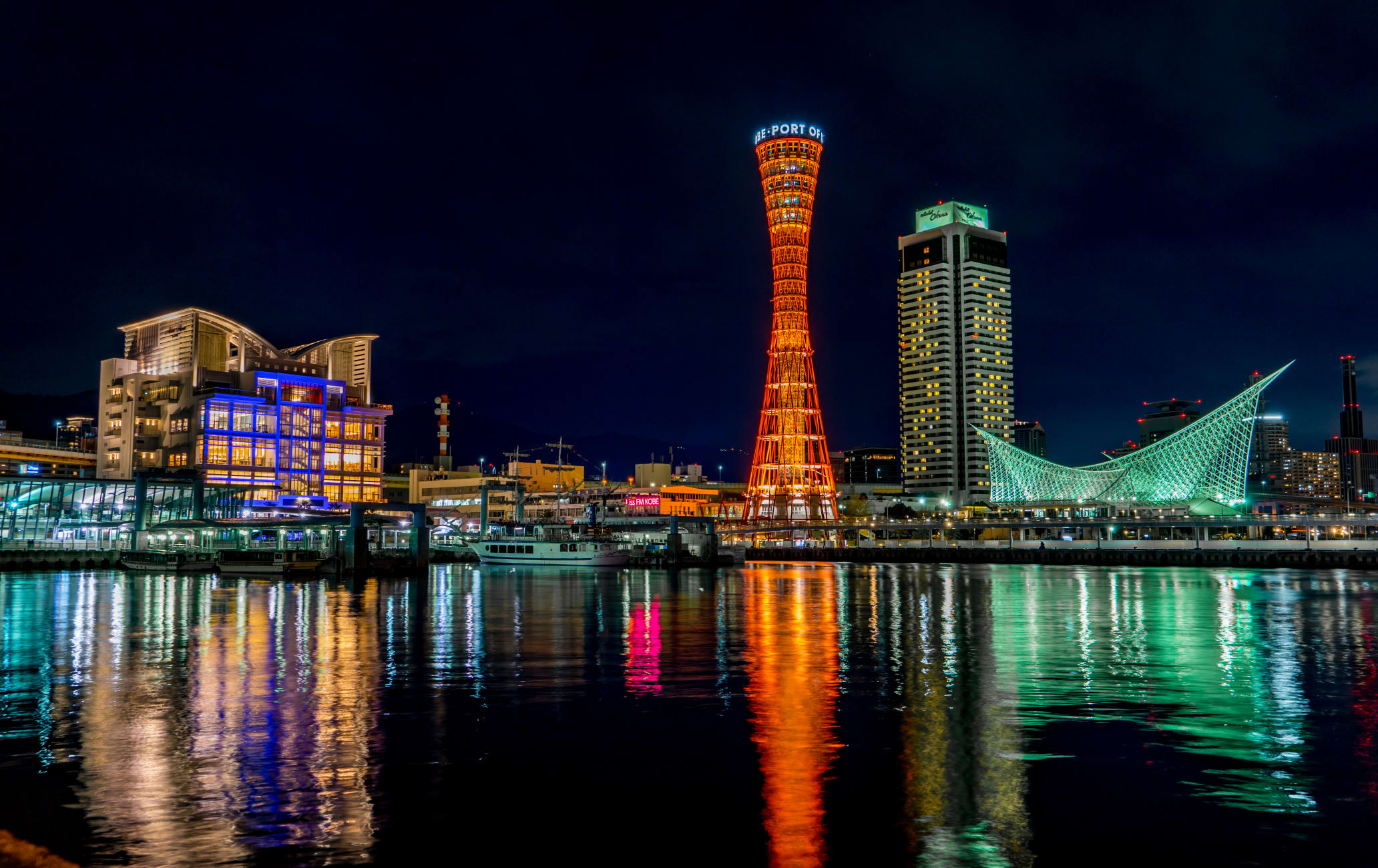
For something a bit different, and a little more ‘off the tourist trail’, consider a day trip to Kobe. Kobe offers city vibes, harbour views and waterside walks, as well as plenty of eateries serving up the world-famous Kobe beef.
Be sure to include the charming Kitano district in your itinerary, where you’ll find historic merchant houses, quaint cafes and boutique shops. Also stroll through Meriken Park and spot the city’s iconic landmarks including the futuristic Port Tower, the Maritime Museum and the poignant Earthquake Museum.
You could also escape the city buzz by heading up to Mount Rokko via cable car. Mount Rokko is the highest peak in the Rokko mountain range at 931m and offers fantastic views out across Kobe and Osaka, as well as several popular hiking trails.
Hiroshima: History and Museums
Travel time: 2 hours by (bullet) train
For many people, Hiroshima is a must visit destination when visiting Japan. Known around the world for its history, a day trip to Hiroshima is both moving and unforgettable. After visiting the Peace Memorial Park and seeing the Atomic Bomb Dome, you can explore the many museums, monuments and gardens.
Depending on how long you want to spend in Hiroshima, you could consider combining your visit with a trip to Miyajima Island to see the iconic floating torii gate of Itsukushima Shrine. The Aqua Net Hiroshima (a boat) will take you from the Peace Memorial Park, along the river, passing the Atomic Bomb Dome, across the sea straight to Miyajima and takes approximately 45 minutes.
NB. The Aqua Net is not part of the JR pass so if you have one, you will need a separate ticket.
You can still reach Miyajima with a JR Pass but the journey is a little more complicated so I would definitely recommend the Aqua Net. Plus a boat ride is always good fun!
Personally I think combining the two would be too rushed to really enjoy what Miyajima Island has to offer and I think that it would fit better with an extended stay in Hiroshima.

Okayama: History, Gardens and Tasty Sweets
Travel time: 60-90 minutes by (bullet) train (Take either the Nozomi or the Hikari line)
If you’re looking for more castles, or beautiful Japanese gardens, look no further than Okayama. This, often overlooked city, is home to the famous Okayama Castle and Koraku-en Garden, which is in fact considered as one of Japan’s top three gardens.
The city itself also offers interesting historic districts to stroll through, a wealth of cafes, and no visit to Okayama is complete without trying the region’s specialty, Kibi dango sweets (millet dumplings).
Top tip: Koraku-en is particularly beautiful during spring and autumn. You could also combine a visit to Okayama with nearby Kurashiki Bikan, a further 20 minutes by train.

Kurashiki: The Venice of Japan
Travel time: 90 minutes by train (Travel to Okayama and then transfer)
Often referred to as the Venice of Japan Kurashiki is well worth visiting as a day trip from Kyoto. During the Edo period, the Kurashiki river was a crucial route for transporting cargo all over the country. In its historic Bikan Quarter you’ll find pretty canals, traditional white-walled storehouses, and willow-lined streets.
Spend your visit wandering along the canals (or even take a boat trip), explore the town’s boutique shops, art galleries and museums, and treat yourself to some local sweets at riverside cafes. Any Japanese stationery lovers should also check out the The Superior Labor store (TSL Kurashiki)

Lake Biwa: Castles, Temples and Lakeside Views
Travel time: 60 minutes by train
Another great day trip from Kyoto is Lake Biwa, just north of the city. Lake Biwa is Japan’s largest freshwater lake and offers so much variety for visitors, from gorgeous viewpoints, lakeside walks and cycling routes, as well as plenty more picturesque towns dotted around its shore. In the summer, Lake Biwa also offers lots of water sport options such as boat cruises or paddleboarding.
This mix of nature, culture and easy access from Kyoto, makes Lake Biwa an ideal escape for visitors wanting to see a different side of the Kansai region without travelling too far from the city.
Some of the most popular spots around the lake are:
Nagahama (60 minutes) – sitting on the northeastern shores, Nagahama is known for its well-preserved historic streets, traditional merchant houses, and castle town atmosphere. Highlights include Nagahama Castle, Kurokabe Square and Keisoku-ji Temple.
Hikone (60 minutes) – if you’re looking for more castles, be sure to check out Hikone, home to one of 5 original castles in Japan listed as National Treasures. The town has also recreated a castle street which is really interesting to see.
N.B. You could easily combine Hikone and Nagahama as a day trip – the train passes directly by Nagahama station on the way to Hikone
Enryaku-ji (30-60 minutes) – Enryaku-ji Temple, at the top of Mount Hiei, is said to be one of the main spiritual centres of Japanese culture. To visit you can either take the cable car or travel up by bus. At the top, not only is the temple absolutely beautiful but you’ll be met with great views out over Lake Biwa views.

Minoo Park: Forests and Waterfalls
Travel time: 60–75 minutes
How to get there: Take the JR Kyoto Line to Osaka Station and then transfer to the Hankyu Takarazuka Line at Umeda Station. Travel to Ishibashi-Handai-mae Station and then change to the Hankyu Minoo Line. Ride to Minoo Station, which is the final stop. It’s then a short 5-minute walk to the entrance of Minoo Park.
Minoo Park, near Osaka, is a great choice for those wanting to head out into nature. The park has a very popular walking trail which takes you through lush woodland to the beautiful Minoo Waterfall. Enroute you also find many cafes serving local maple leaf tempura, little shrines to visit, and of course spring and autumn offer beautiful foliage along the way.

Universal Studios
Travel time: 40-55 minutes by train
One of my favourite day trips from Kyoto has to be to Universal Studios in Osaka and it makes a good pause from all the sightseeing. Our favourite areas had to The Wizarding World of Harry Potter, Nintendo World, and Jurassic Park. There are also plenty of live shows during the day, along with seasonal events such as the Halloween Pokémon Parade, which add that extra layer of magic to your visit.

Final Thoughts | Days Trips from Kyoto
While Kyoto itself is a cultural treasure and has more than enough to keep visitors occupied, taking days trip out into the surrounding areas adds a lot to your Japan itinerary. Heading out of the city allows you to see a completely different side of the country – from the busy city vibes of Osaka and the peaceful temples and roaming deer of Nara, to the impressive castles in Himeji and Hikone. You can swap the crowds of Gion for nature and riverside walks in Kurama or Uji, or head to Lake Biwa for a change of pace. Exploring beyond Kyoto also opens the door to new foodie delights, rich history and culture, which I promise will add so much to your trip!
*cover image source: japan.travel


